Men’s Suit Measurement Guide
How to Measure Yourself for a Suit
Use this step-by-step guide to take the body measurements needed for a men’s suit jacket, waistcoat and trousers. Measure the body itself with a soft tape and do not add extra room—we calculate the appropriate tailoring allowance.
Repeat each measurement three times, keep the tape level and use either inches or centimetres consistently throughout.
Before You Measure
- Use a flexible cloth or tailor’s tape.
- Wear a fitted shirt and lightweight trousers.
- Stand naturally; do not tense or hold your stomach in.
- Ask someone to help with shoulders, sleeves and lengths where possible.
Part One
Trouser Measurements
Begin with the position where you intend to wear the trouser waistband. This point affects the waist, rise and finished trouser length, so use the same waistband position throughout.
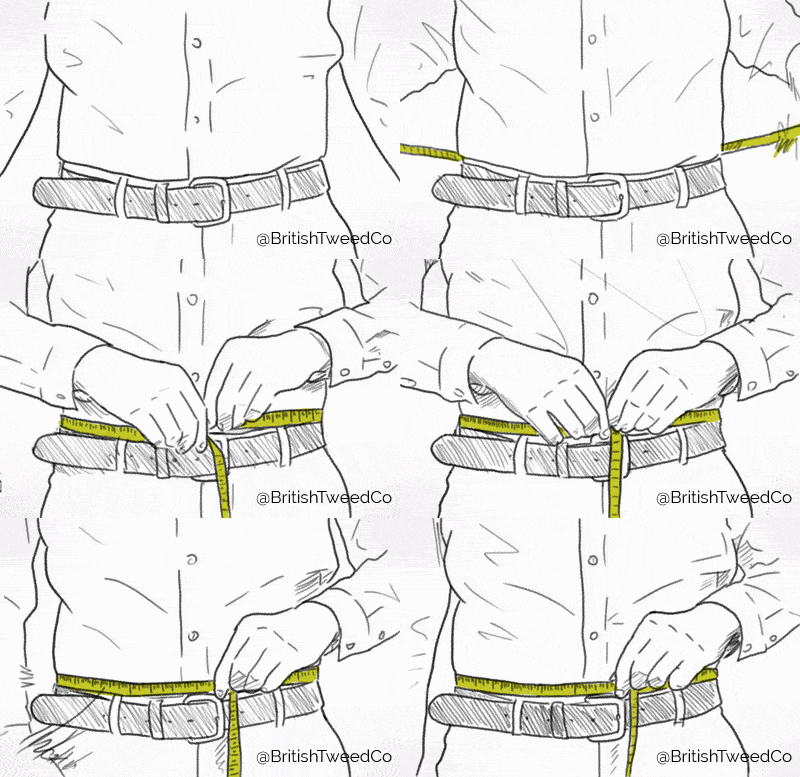
Trouser Waist
Measure around your body at the exact height where you want the trouser waistband to sit. This is often lower than the natural waist.
Keep the tape level and close to the body without pulling it tight. Wearing a pair of well-fitting formal trousers can help you identify your preferred waistband position.
Record: the complete circumference at your chosen trouser-waist height.
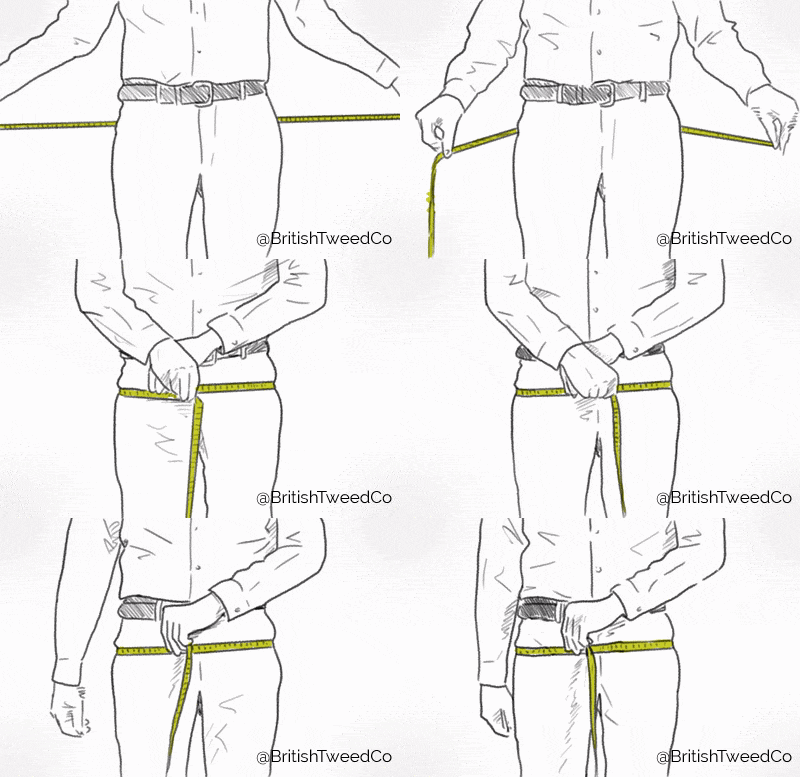
Hips and Seat
Stand with your feet approximately hip-width apart and measure around the fullest part of the hips and seat.
Make sure your pockets are empty and the tape remains level, flat and untwisted. It should lightly touch the body without compressing it.
Record: the fullest circumference around the hips and seat.
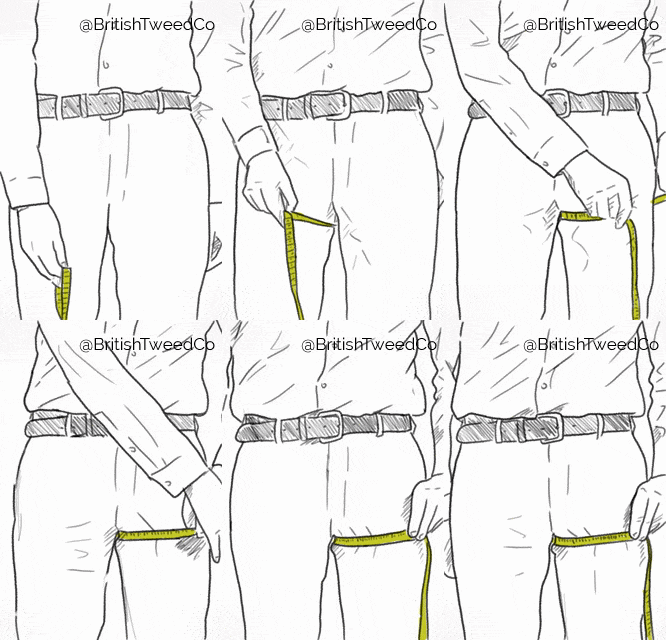
Thigh
Measure around the widest part of one thigh. This is usually close to the top of the inside leg, although the fullest point may sit slightly lower on athletic or muscular legs.
Keep your weight evenly distributed and do not flex the leg.
Record: the fullest thigh circumference.
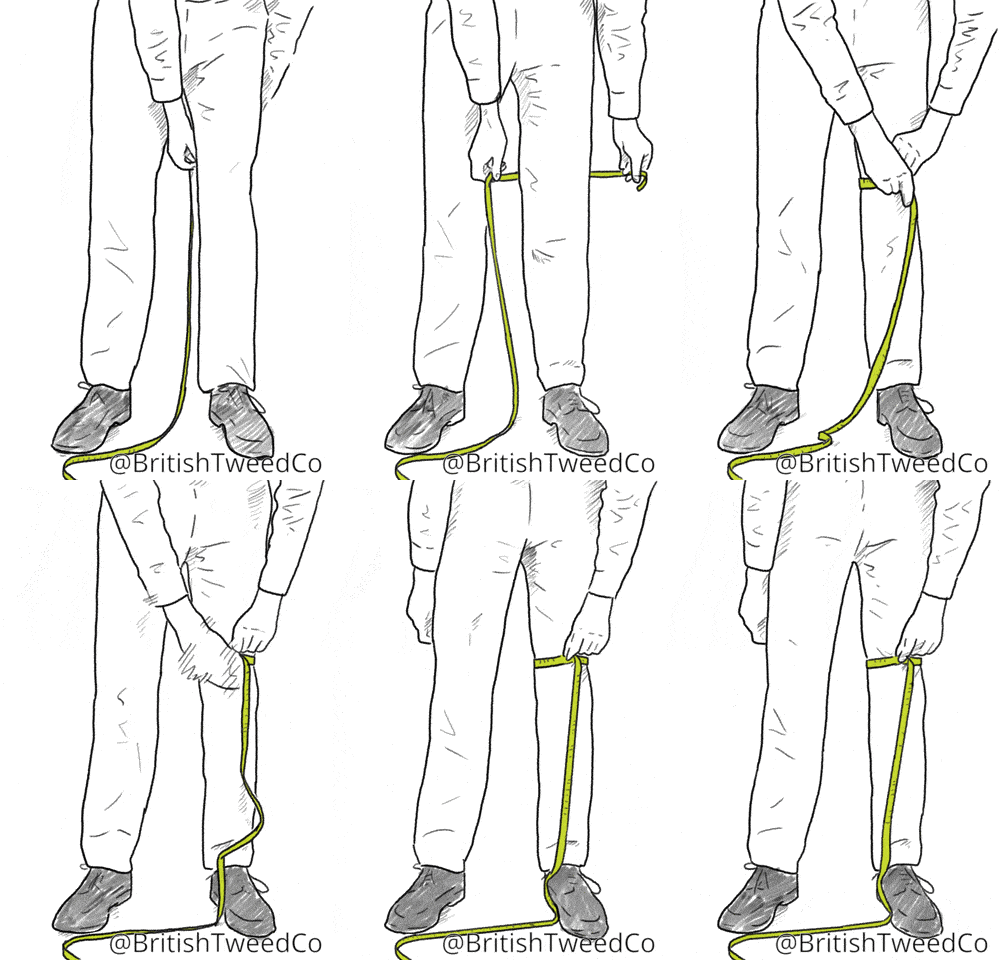
Knee
With the leg straight and relaxed, measure around the knee at its widest point. Keep the tape horizontal and comfortably close to the body.
This measurement helps us assess the balance between the thigh and lower trouser leg.
Record: the knee circumference.
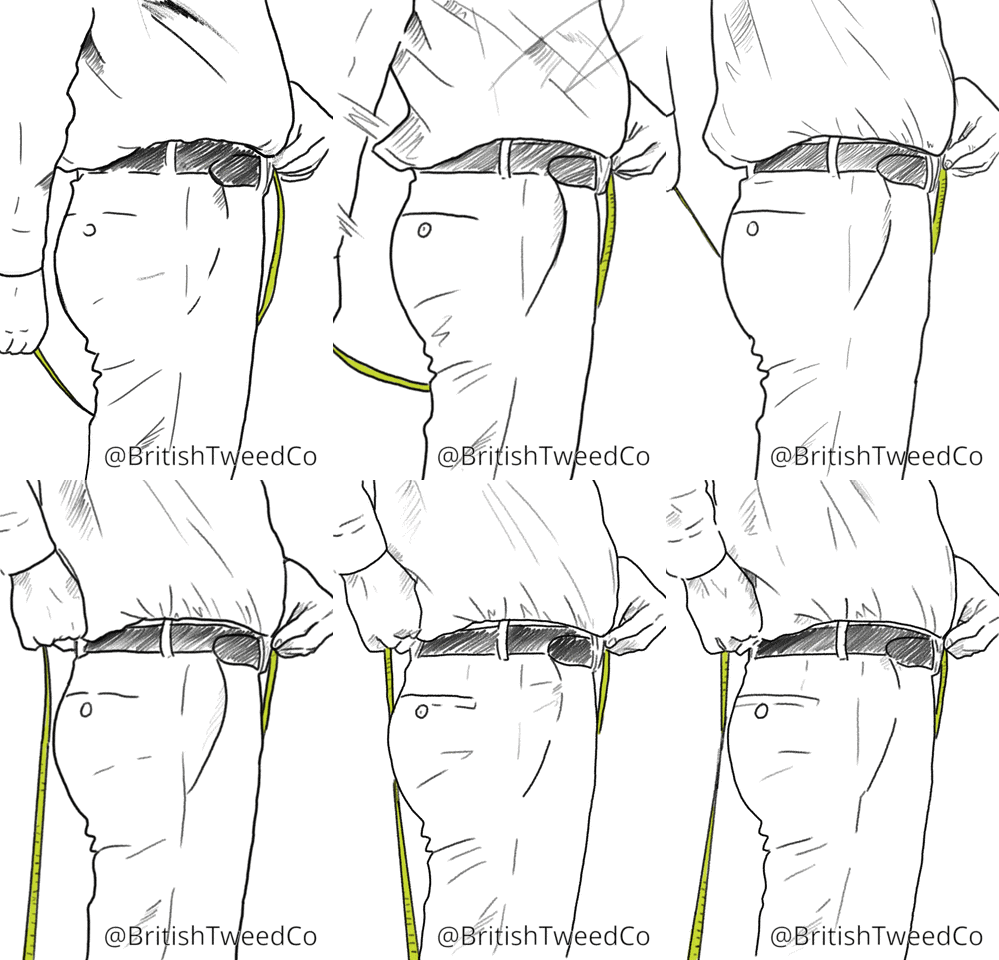
Crotch or Total Rise
Place the tape at the front of your chosen waistband position. Pass it between the legs and continue to the same waistband height at the centre back.
Keep the tape smooth and untwisted. It should follow the body comfortably without being pulled tight. Wearing well-fitting trousers can help you allow a natural amount of room.
Record: the full front-waist-to-back-waist measurement.
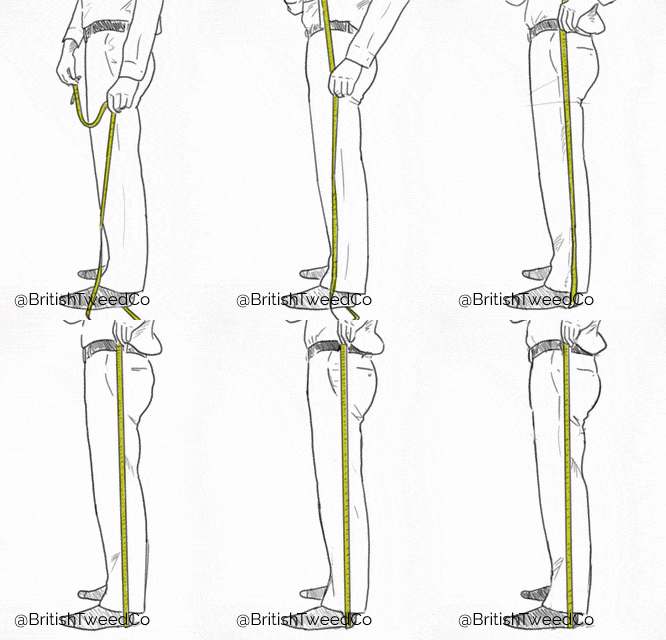
Trouser Length or Outseam
Measure from the top of your chosen waistband position vertically down the outside of the leg to your preferred finished trouser length.
Wear shoes similar to those intended for the suit. A traditional finished length is close to the top of the shoe, but the correct point depends on the break and silhouette you prefer.
Record: the side measurement from the waistband to the finished hem.
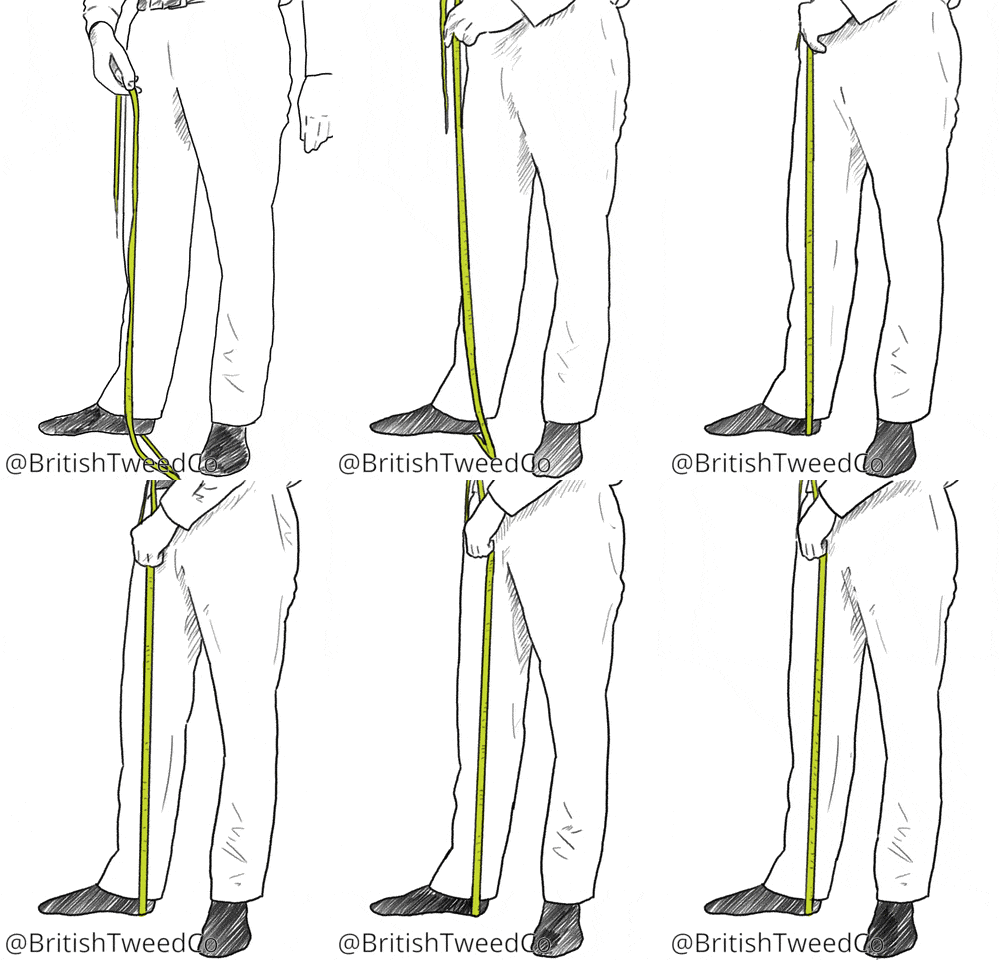
Inside Leg or Inseam
Measure from the top of the inside leg down to your preferred finished trouser length. Keep the tape following the inside seam line without pulling it away from the leg.
For Made to Order, choose the desired finished inside-leg length: Shorter 27 inches, Short 29 inches, Regular 31 inches, Long 33 inches or Longer 35 inches. Check this against a well-fitting pair of formal trousers where possible. Made to Measure trousers use the finished length you provide.
Record: the inside-leg measurement from crotch to finished hem.
Calf
Measure around the widest part of the calf with the leg relaxed. This is particularly useful for strong or athletic lower legs and when a closer trouser shape is requested.
Preferred Trouser Shape
Tell us whether you prefer a slim, regular or relaxed trouser line. Measurements describe your body; your fit choice describes the intended silhouette.
Uncertain About Sizing or Taking Measurements?
Fit Assurance is an optional service available with every Made to Order and Made to Measure suit, offering a defined fit-resolution process if a significant sizing issue remains after delivery.
Before Measuring Your Chest
Size to Fit Is Not the Finished Jacket Size.
When we ask for your chest measurement or describe a jacket by chest size, we mean the body size the jacket is intended to fit. This is the “size to fit”, not the finished circumference of the garment.
The finished jacket needs extra room for movement, a shirt and a waistcoat. This is known as ease or overmeasure, and we add it according to the garment pattern and your selected slim, regular or relaxed fit.
If your body chest measures 40 inches, select a 40-inch chest size without adding room. The finished jacket is cut larger according to its pattern and your chosen slim, regular or relaxed fit.
Measure your actual body. Do not add your own allowance unless we specifically request a finished-garment measurement.
Part Two
Jacket and Waistcoat Measurements
Stand upright but relaxed. Most circumference measurements should be taken over a fitted shirt, while shoulder and length measurements are easier to verify against a well-fitting jacket or shirt.
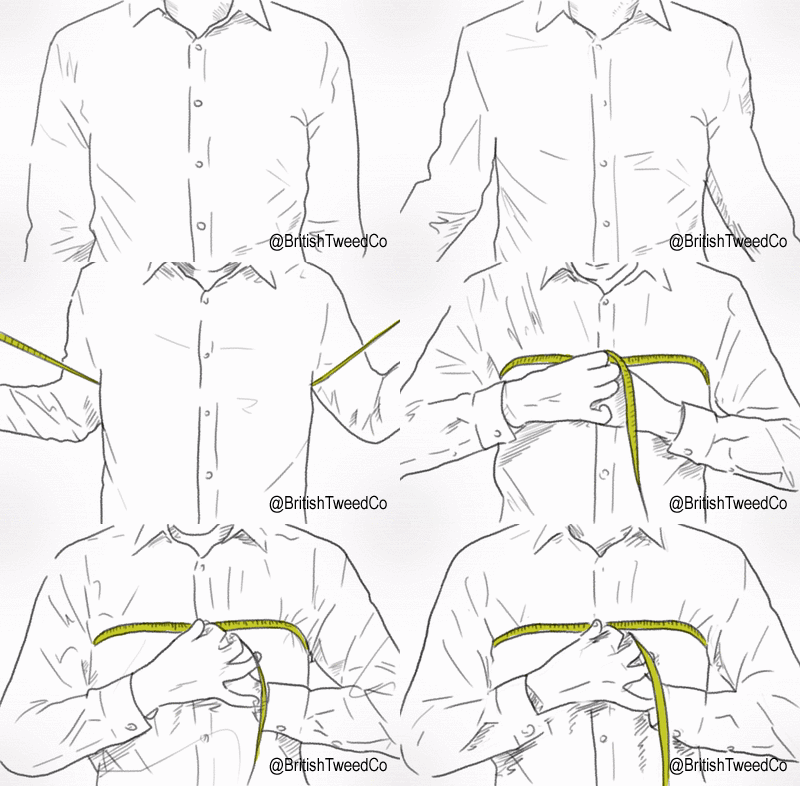
Chest
Pass the tape under the armpits, across the fullest part of the chest and around the shoulder blades. Keep your arms relaxed at your sides and make sure the tape remains level.
Record the body measurement only. Do not add extra inches for breathing room or jacket ease.
Record: the fullest chest circumference.
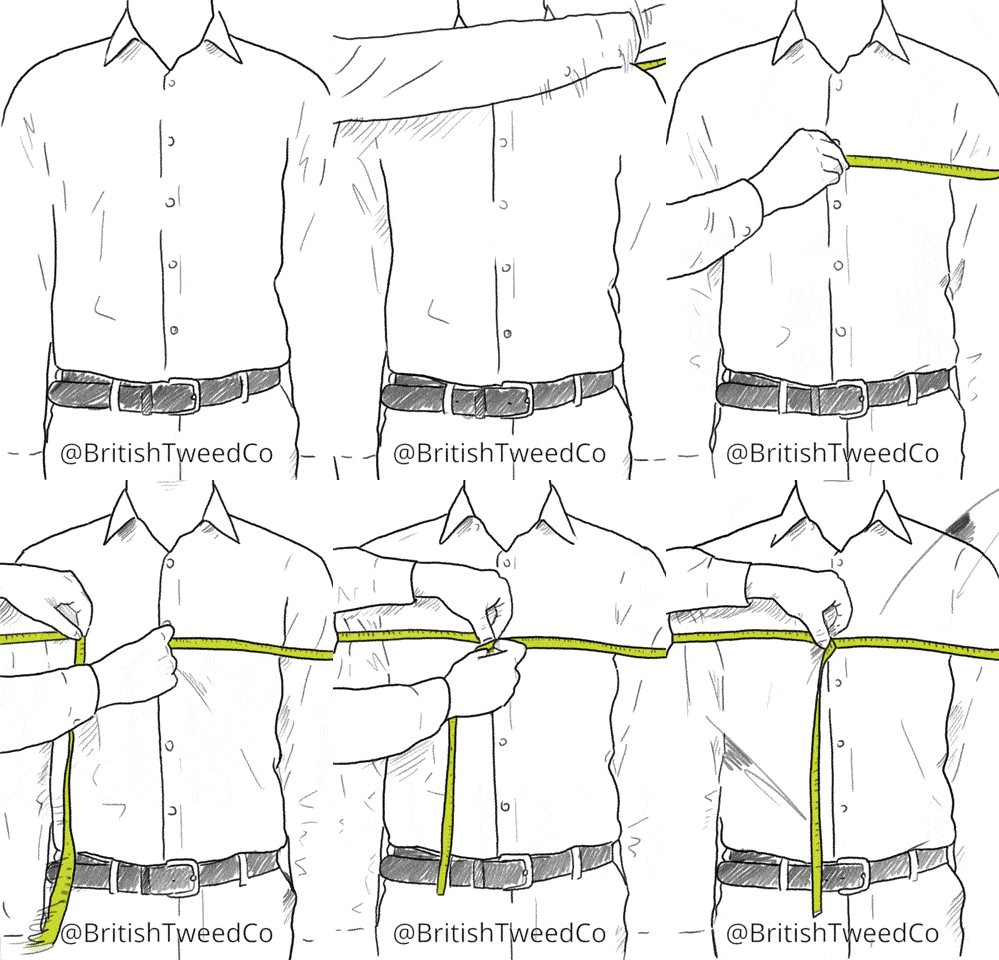
Overarm
With both arms resting naturally at your sides, measure around the chest and the fullest part of both upper arms at approximately the same height as the chest measurement.
A second person is strongly recommended. This measurement helps us check the relationship between chest, shoulder and upper-arm development.
Record: the circumference around the chest and both arms.
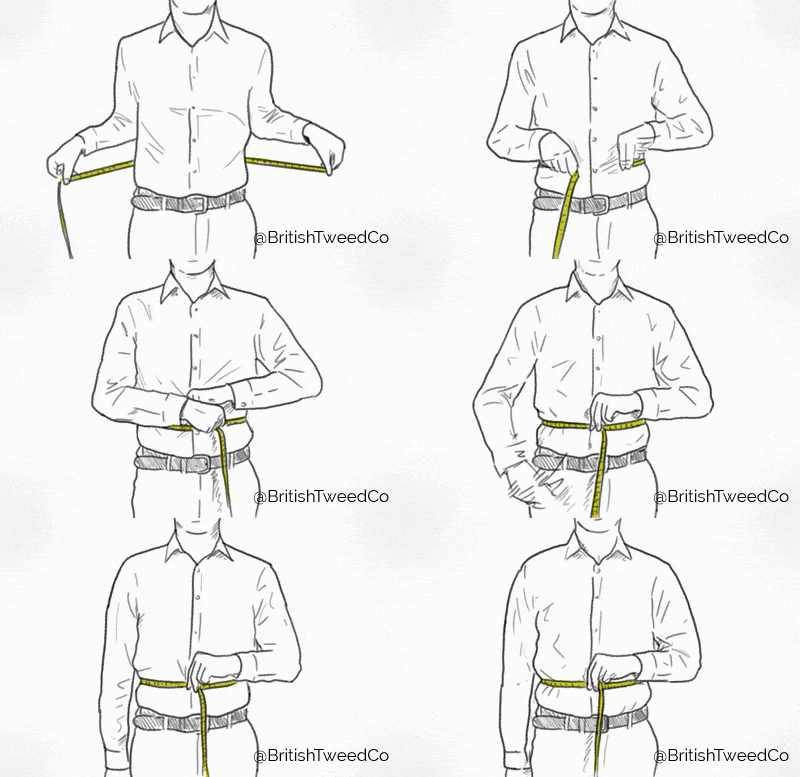
Stomach or Jacket Waist
Measure around the fullest part of the abdomen, often near the level of the navel. Keep the tape level and stand naturally without holding your stomach in.
This may be wider or narrower than the chest and should be recorded independently rather than inferred from a standard size.
Record: the fullest abdominal circumference.
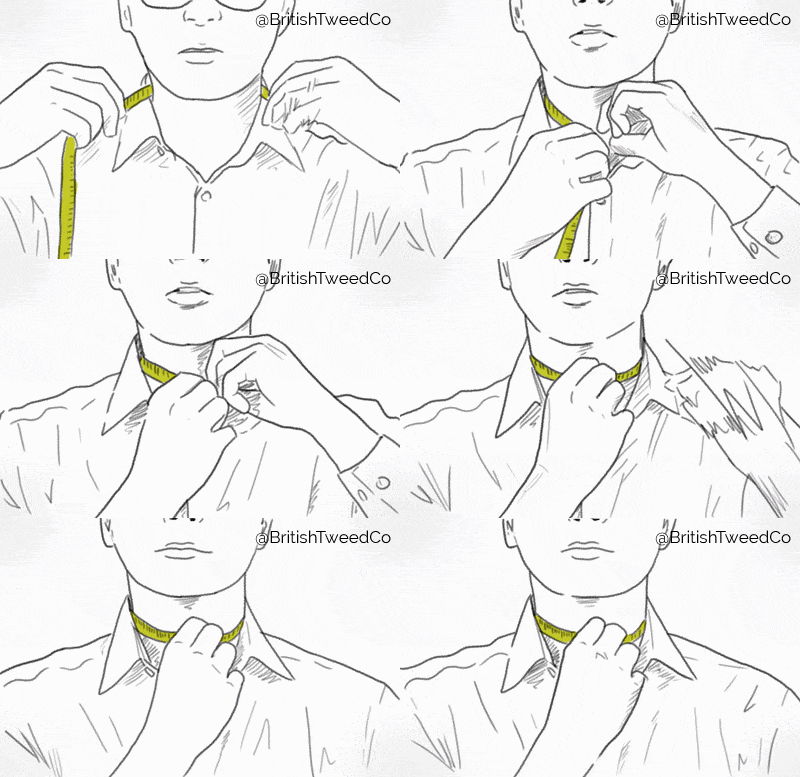
Neck
Measure around the base of the neck where a shirt collar would naturally sit. Keep the tape comfortably close without pulling it tight.
A well-fitting collared shirt can help you identify the correct height.
Record: the neck circumference at collar height.
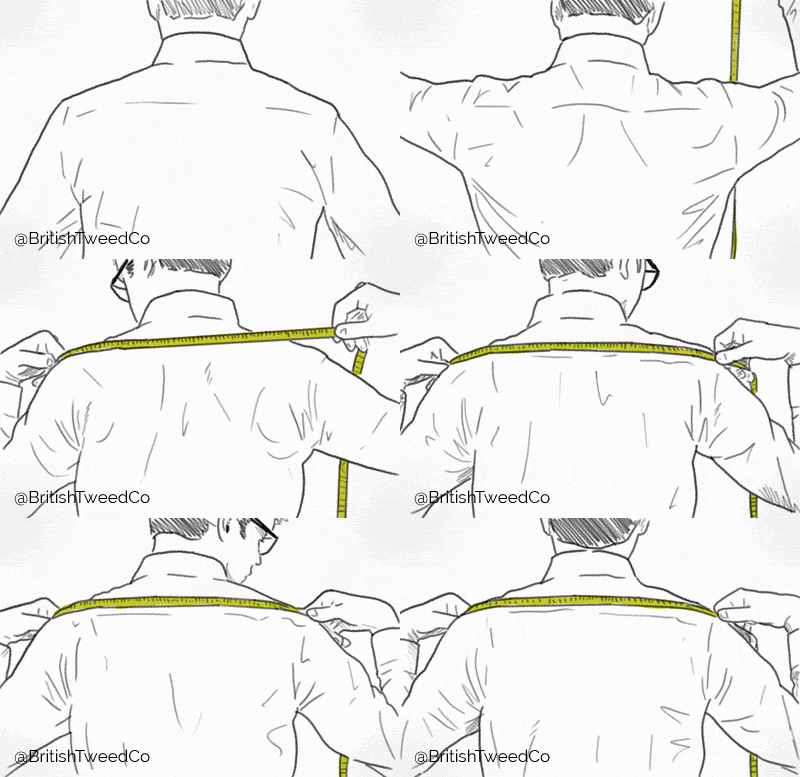
Shoulder Width
Measure across the upper back from the outer tip of one shoulder to the outer tip of the other. Allow the tape to follow the natural curve of the back rather than pulling it into a straight horizontal line.
If the shoulder points are difficult to identify, measure between the shoulder seams of a shirt or jacket that fits well.
Record: the curved shoulder-point-to-shoulder-point measurement.
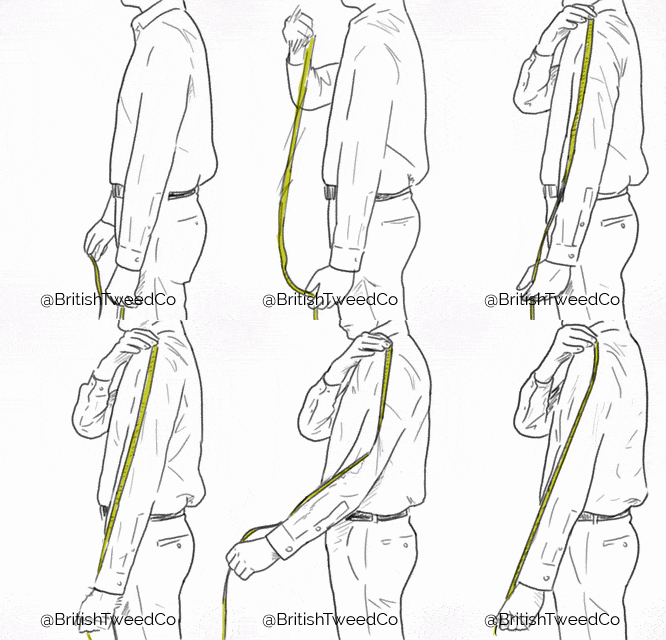
Jacket Sleeve Length
With the arm relaxed at your side, measure from the shoulder point down the outside of the arm to your preferred jacket-sleeve finish.
This usually falls around the wrist bone or base of the thumb, allowing a small amount of shirt cuff to show. Measure each arm separately when there is noticeable asymmetry.
Record: shoulder point to finished sleeve length for each arm where required.
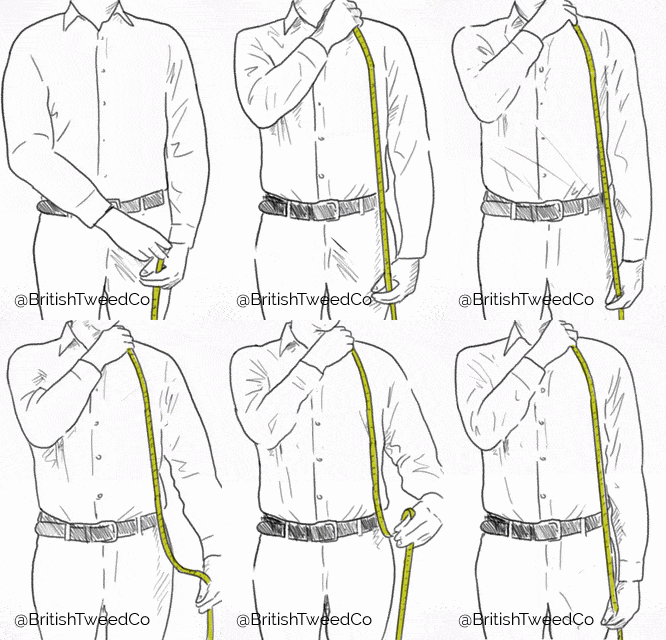
Jacket Length
Measure from the point where the shoulder seam meets the collar seam, vertically down the back to your preferred finished jacket length.
A traditional men’s jacket commonly finishes around the lower seat and near the level of the wrist when the arms are relaxed, although personal preference and body proportion matter.
Record: collar-and-shoulder seam to finished jacket hem.
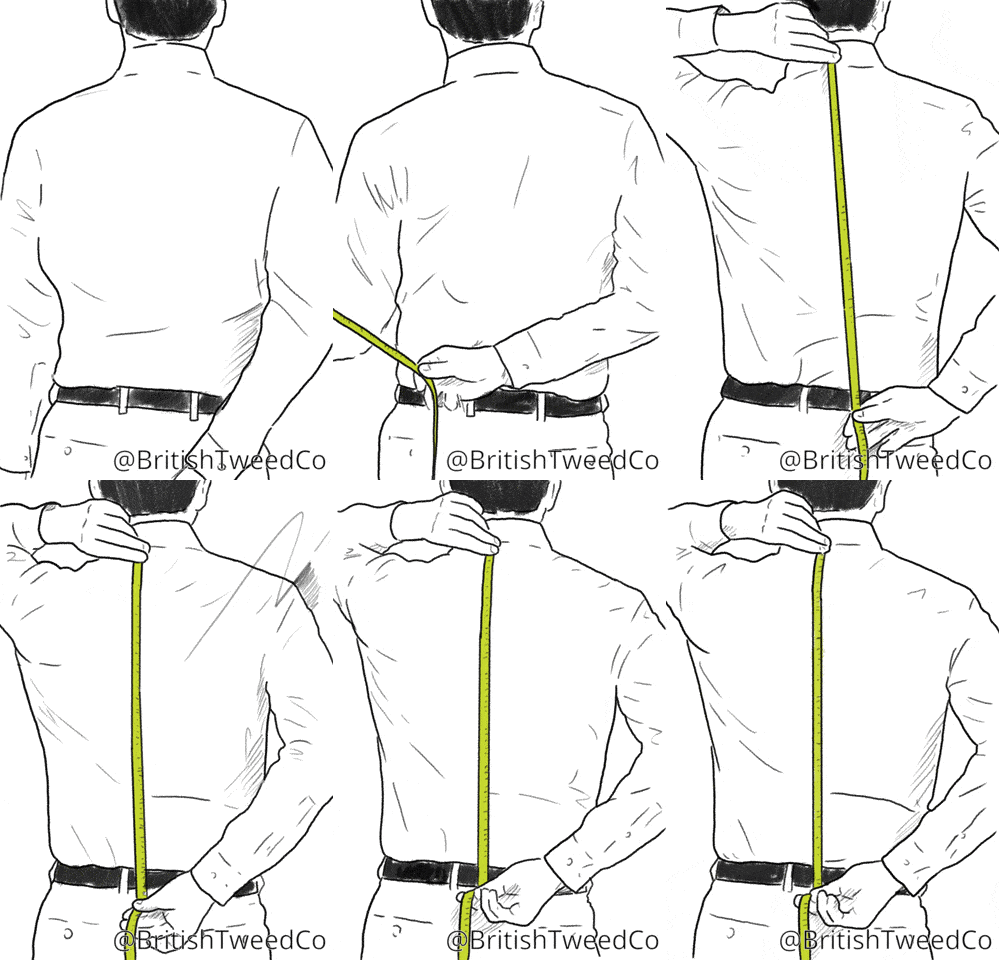
Waistcoat Length
Measure from the point where the back of the shirt meets the collar seam, vertically down the centre back to your preferred waistcoat length.
The waistcoat should cover the trouser waistband when standing naturally. The front and back are shaped differently, so provide the requested body measurement rather than adding extra length yourself.
Record: centre-back collar seam to desired waistcoat finish.
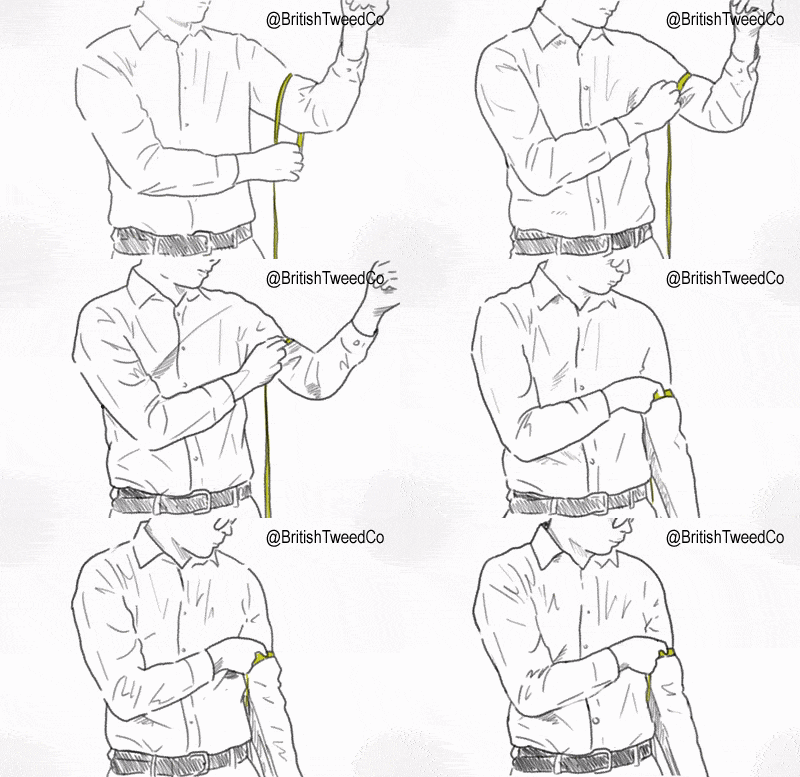
Bicep or Upper Arm
Measure around the fullest part of the upper arm. Keep the muscle relaxed unless the order form specifically asks for a flexed measurement.
This is especially important for muscular or athletic arms, where a chest size alone may not provide enough information.
Record: the fullest relaxed upper-arm circumference.
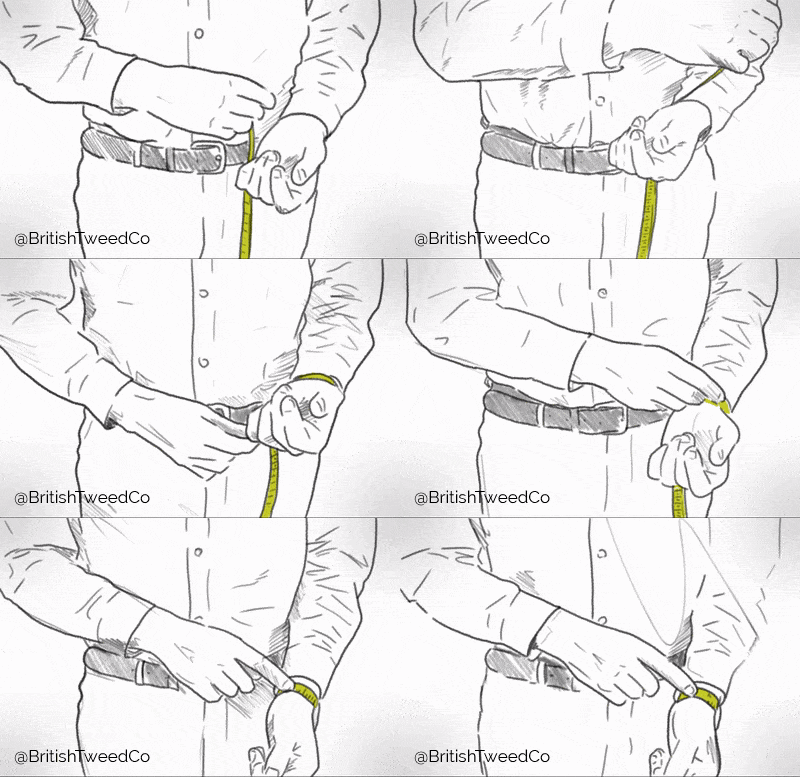
Wrist
Measure around the wrist at the point where the jacket sleeve will finish. Keep the tape close but not tight.
Let us know where a watch or other consideration affects your preferred cuff room.
Record: the wrist circumference at sleeve-end height.
Height and Weight
Record your current height and weight. These do not replace body measurements, but they help us sense-check the complete set and identify possible transcription errors.
Right and Left Differences
Tell us about dropped shoulders, different arm lengths or other noticeable asymmetry. Where requested, provide separate right- and left-side measurements.
Understanding Men’s Suit Measurements
Why Accurate Measurements Make Such a Difference.
A well-fitting suit will nearly always look more refined than an expensive suit with the wrong proportions. Sleeves that finish correctly, trousers that sit cleanly and a jacket that balances the shoulders can transform the complete outfit.
Taking your own suit measurements is straightforward when you work carefully and follow the same method each time. A second person is helpful for shoulders, overarm and jacket lengths, but most measurements can be taken alone.
This guide retains the complete set of measurements commonly requested for our men’s Made to Measure suits. You may not need every optional measurement for every order, but recording them gives us useful information when checking overall proportion.
Which Measurements Do You Need?
Made to Order and Made to Measure Are Different.
The full guide is intended primarily for full Made to Measure. Made to Order normally uses listed body-sizing and length options, although a confirmed adult extended-size accommodation may use individual measurements while retaining the standard Made to Order styling route.
Standard Sizing with Personal Choices
Made to Order
Choose the jacket by your actual body chest measurement—the “size to fit”. Do not add ease or overmeasure yourself; the finished jacket is cut larger than the stated body size. Then select your trouser waist, length band and available fit or styling options.
You do not need to submit the complete measurement set on this page unless we specifically request additional information. If your adult size is not listed, contact us before ordering so we can confirm suitability and the measurements required at the equivalent Made to Order price.
Shop Made to Order SuitsBuilt Around Your Measurements
Made to Measure
Made to Measure uses your individual body measurements and offers greater control over fit, proportion, lapel styling and single- or double-breasted construction.
Complete every measurement requested on the product form and contact us before ordering when any result seems unusual.
Shop Made to Measure SuitsWorried About Getting It Wrong?
Add Fit Assurance to Your Suit.
Fit Assurance is an optional service available with Made to Order and Made to Measure suits for customers who feel uncertain about sizing or taking measurements.
One Fit Assurance purchase covers the specific suit it accompanies. Where a significant fit issue is confirmed, the resolution may involve alterations, one or more remade pieces, or the complete suit where genuinely necessary.
How Fit Assurance WorksMeasurements Do Not Always Follow a Standard Chart
Tell Us When Your Body Needs a Different Approach.
We regularly work with petite, tall, broad, muscular and fuller proportions. We can also consider asymmetry, mobility requirements and measurements affected by disability, swelling or lymphoedema.
Use the contact form before ordering when measurements vary significantly from one side to the other, change over time, or do not seem to correspond with a conventional suit size.
If your adult size is not listed, we can accommodate almost any size or proportion. Subject to tailoring suitability and confirmation, individual measurements can be used with standard Made to Order styling at the equivalent Made to Order price, so you will not pay more solely because your size falls outside the chart.
For a sizing concern, include clear photographs showing the relevant body or garment measurement with the tape visible, level and readable.
Men’s Suit Measurement Questions
Common Questions Before Ordering.
Can I measure myself for a suit without help?
Most circumference and trouser measurements can be taken alone. A second person is recommended for shoulders, overarm, sleeve length and jacket length because these measurements are harder to keep level while reaching around the body.
Should I add extra room to my measurements?
No. Submit the body measurement requested and choose your intended fit separately. We apply the appropriate tailoring allowance rather than treating the finished garment as the same size as the body.
Should I measure in inches or centimetres?
Either is acceptable where the order form allows it, but use the same unit for the entire set and label it clearly. Never mix inches and centimetres within one submission.
What if I am between standard suit sizes?
Made to Order may still work where separate jacket and trouser sizing resolves the difference. Contact us with your measurements when you are unsure; we will distinguish a straightforward Made to Order sizing accommodation from a need for the broader proportion and styling controls of full Made to Measure.
What if my arms, shoulders or legs are unusually muscular?
Provide the optional overarm, bicep, thigh and calf measurements as well as the core set. These help us avoid relying solely on chest or waist size when your proportions are athletic.
What should I do when one side measures differently?
Measure both sides separately, label them clearly and include photographs where helpful. Do not average noticeable differences unless we specifically ask you to do so.
Does Fit Assurance cover the whole suit?
It can. One Fit Assurance purchase covers the suit it was added to and may resolve one affected garment, several pieces or the complete suit where a full remake is genuinely required. All affected pieces must be reported together.
Measurements Ready?
Build a Tweed Suit Around You.
Choose Made to Measure for individual body measurements and greater control over proportion, lapels and single- or double-breasted styling.